CHAMELEON#NET: A Deep Dive into Multi-Stage .NET Malware Leveraging Reflective Loading and Custom Decryption for Stealthy Operations
Threat Research

Securonix Threat Research Security Advisory
By Securonix Threat Research: Shikha Sangwan
October 08, 2025
The Securonix Threat Research team has analyzed a sophisticated malspam campaign distributing RAT through DarkTortilla malware.

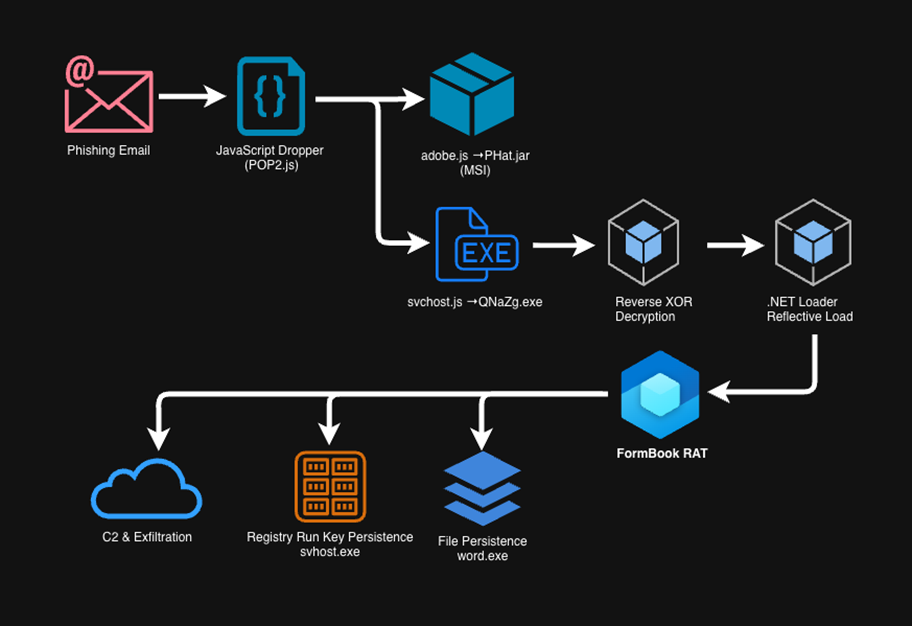
This campaign begins with a phishing email that tricks users into downloading a .BZ2 archive, initiating a multi-stage infection chain. The initial payload is a heavily obfuscated JavaScript file that acts as a dropper, leading to the execution of a complex VB.NET loader. This loader uses advanced reflection and a custom conditional XOR cipher to decrypt and execute its final payload, the FormBook RAT, entirely in memory. The campaign showcases layered evasion, from script obfuscation to fileless execution, ultimately aiming to establish long-term persistence and control over the compromised system.
We’ve been tracking a malspam campaign delivering DarkTortilla, a highly modular and evasive .NET malware that has been active since 2015. Known for its ability to deploy a wide range of commodity malware such as AgentTesla, AsyncRAT, and various information stealers, DarkTortilla remains a persistent threat.
This particular campaign starts with a targeted phishing email, luring victims in the National Social Security Sector into downloading what appears to be a benign archive. However, this action kicks off a complex, multi-stage infection process designed to meticulously unpack and execute its final payload while evading detection. The attack chain leverages obfuscated JavaScript droppers, which in turn deploys a sophisticated VB.NET executable. This executable is the core loader, responsible for decrypting an embedded DLL using a unique, index-based XOR cipher and then reflectively loading it into memory.
The final payload, identified as the FormBook RAT, establishes persistence through registry run keys and startup folder modifications, disables security measures, and grants the attacker full remote access to the victim’s machine. This analysis will break down each stage of the attack, from the initial JavaScript dropper to the final in-memory execution of the FormBook RAT.
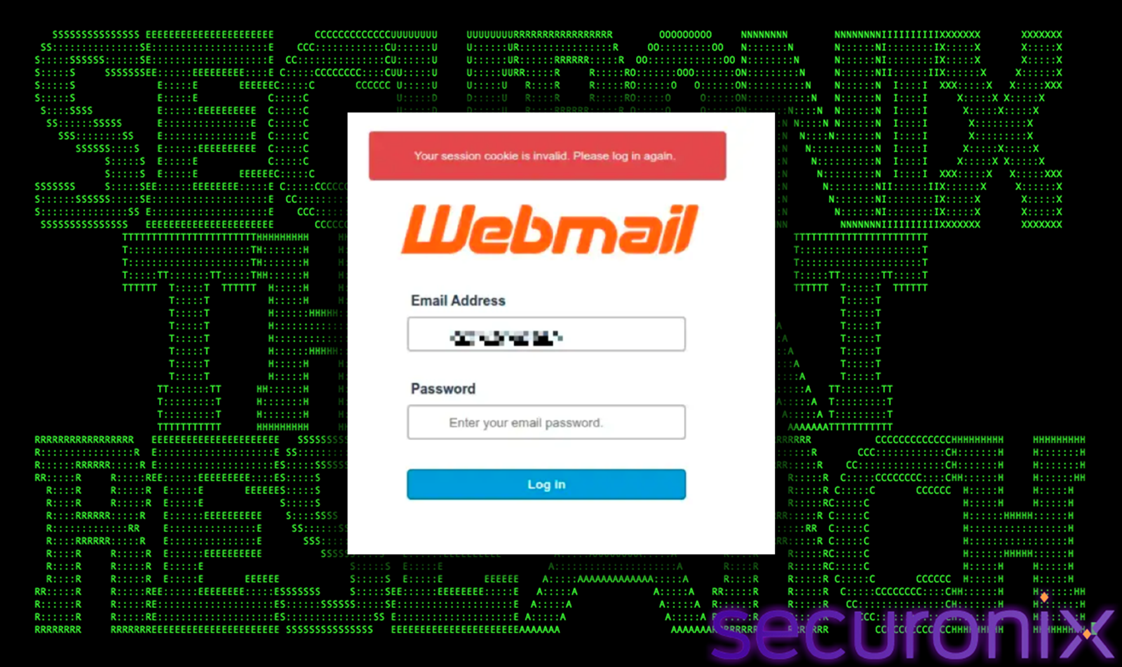
The attack chain begins with a carefully crafted malspam email. These emails direct victims to a fraudulent webmail portal that mimics a legitimate service, prompting them to enter their Social Security (SSA or SSI) institutional credentials. This serves the dual purpose of credential harvesting and acting as a gatekeeper for the payload.
Once the user submits their credentials, they trigger the download of a compressed archive of 81__POP1.BZ2. When the archive is downloaded, the user is already in a task-completion mindset, expecting to see a document (like a PDF or Word file) related to the grant. The file inside the archive, POP2.js, almost certainly continues the deception looking like a text file. The Victim, believing they are simply opening the grant information they were promised, is thus enticed to double-click the file, initiating the infection chain.
This is not just random spam; this is a message that appears to be critical and time sensitive. Once the victim is invested enough to visit the fake portal and enter their credentials, they have been psychologically primed to believe the process is legitimate.
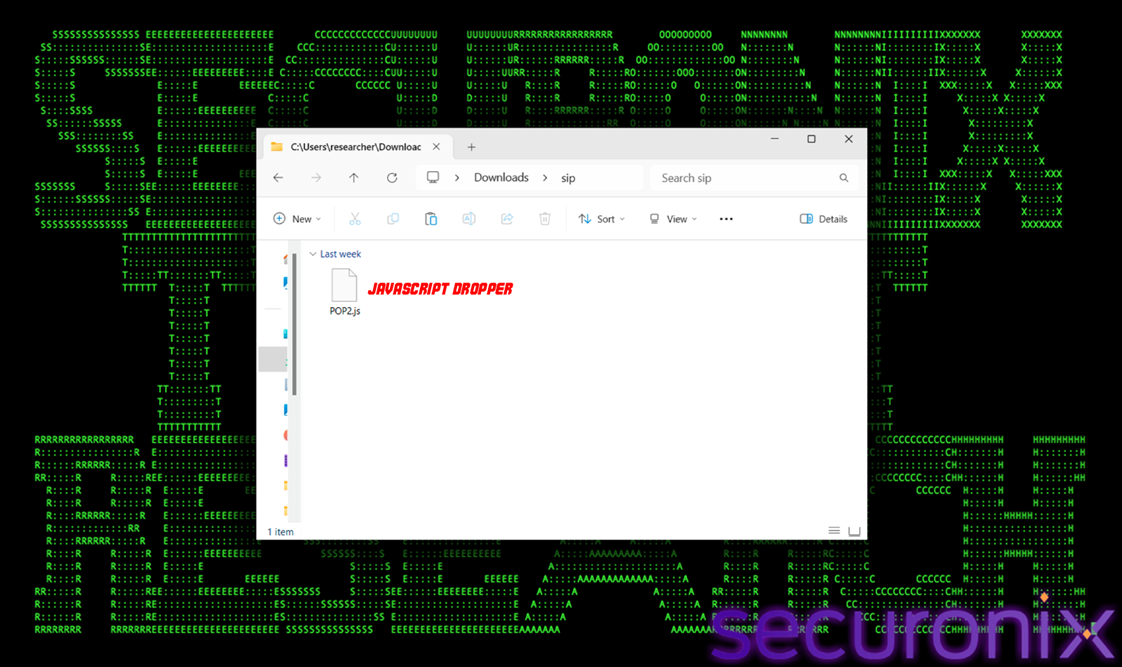
When executed, POP2.js acts as a multi-stage dropper. Its code is made nearly unreadable by several obfuscation layers designed to bypass static AV signatures. The script has a lot of noise, variables initialized but never used and meaningless string assignments. It uses String.fromCharCode and arithmetic operations for character generation, which is a classic sign of runtime decoding. Critical strings, like ActiveXObject names, are built character-by-character at runtime. The next-stage payloads are embedded inside the script as large, encoded Base64 strings.
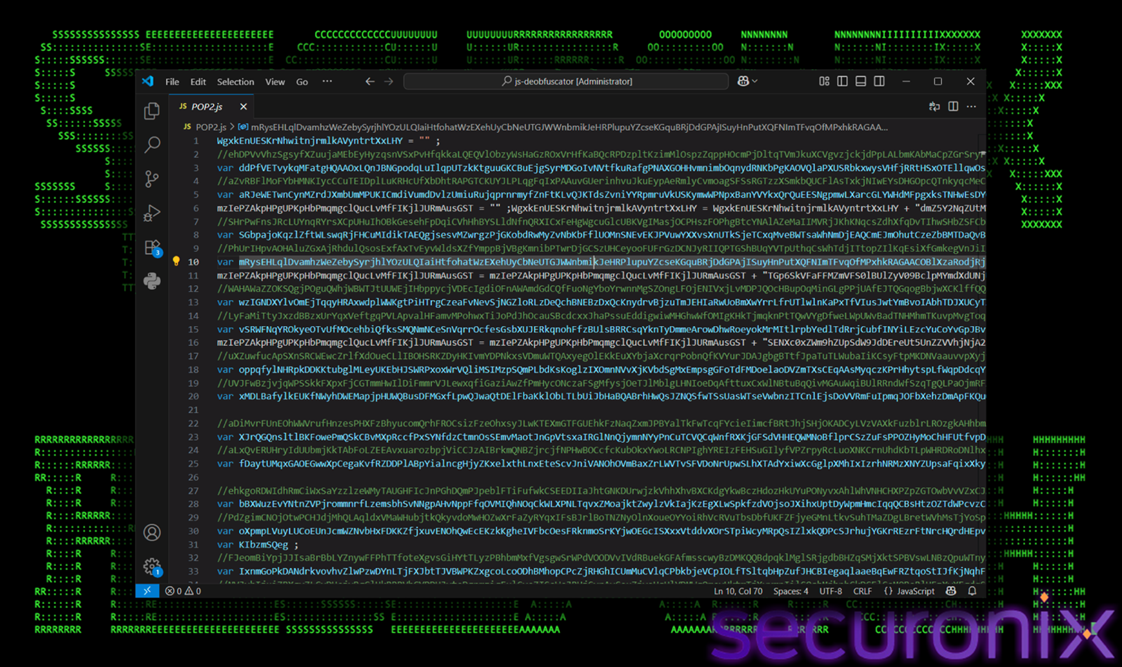
After deobfuscation, the script’s functionality becomes clear. It uses a series of ActiveXObjects to decode and launch the next stage:
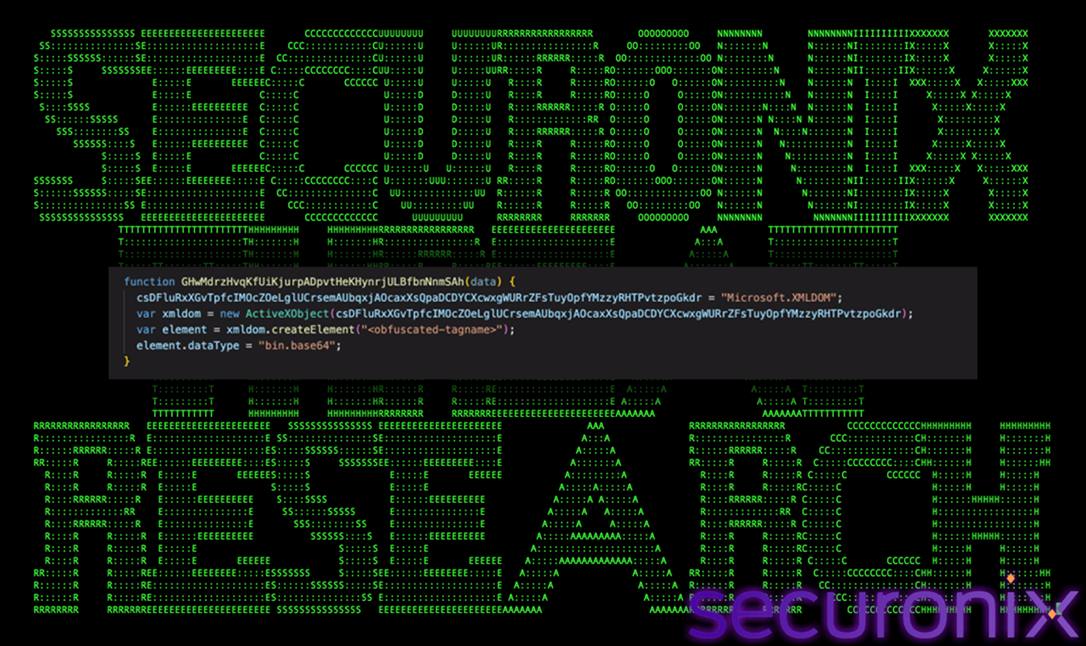
The JavaScript file functions as a multi-stage dropper. Its primary purpose is to decode two distinct, larger payloads embedded within its own code as Base64 strings. These decoded payloads are then written to the %TEMP% directory as adobe.js and svchost.js, respectively.
Finally, the script leverages WScript.Shell to execute both dropped JavaScript files, initiating the next stage of the infection chain.
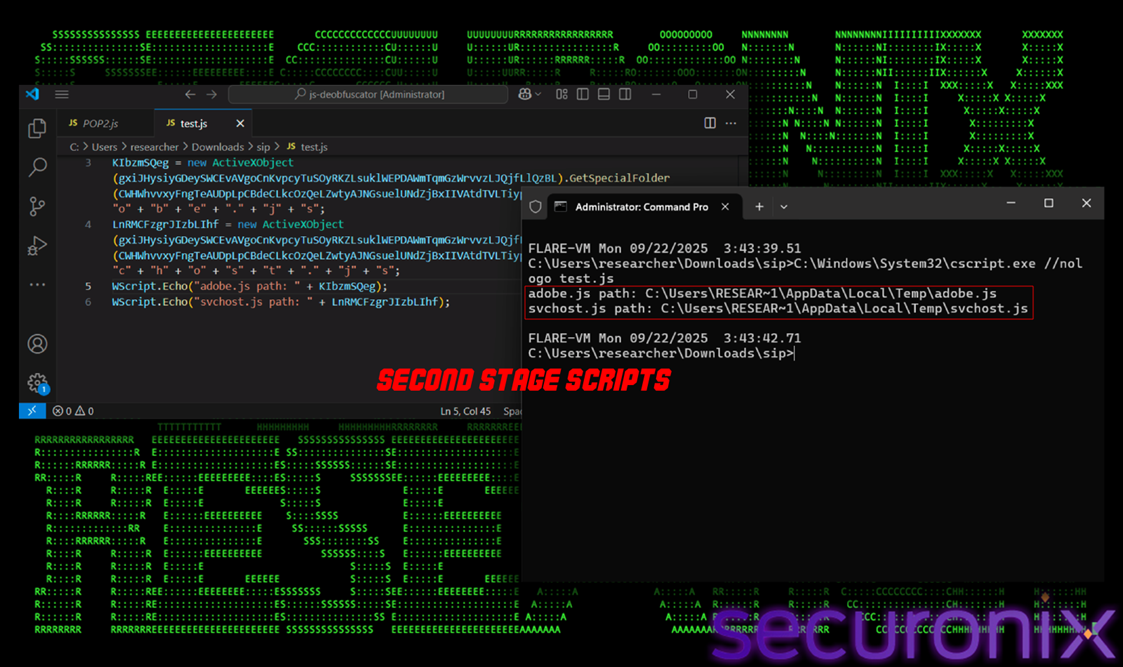
The second-stage scripts, adobe.js and svchost.js, function similarly to the first. They each contain another Base64-encoded payload.
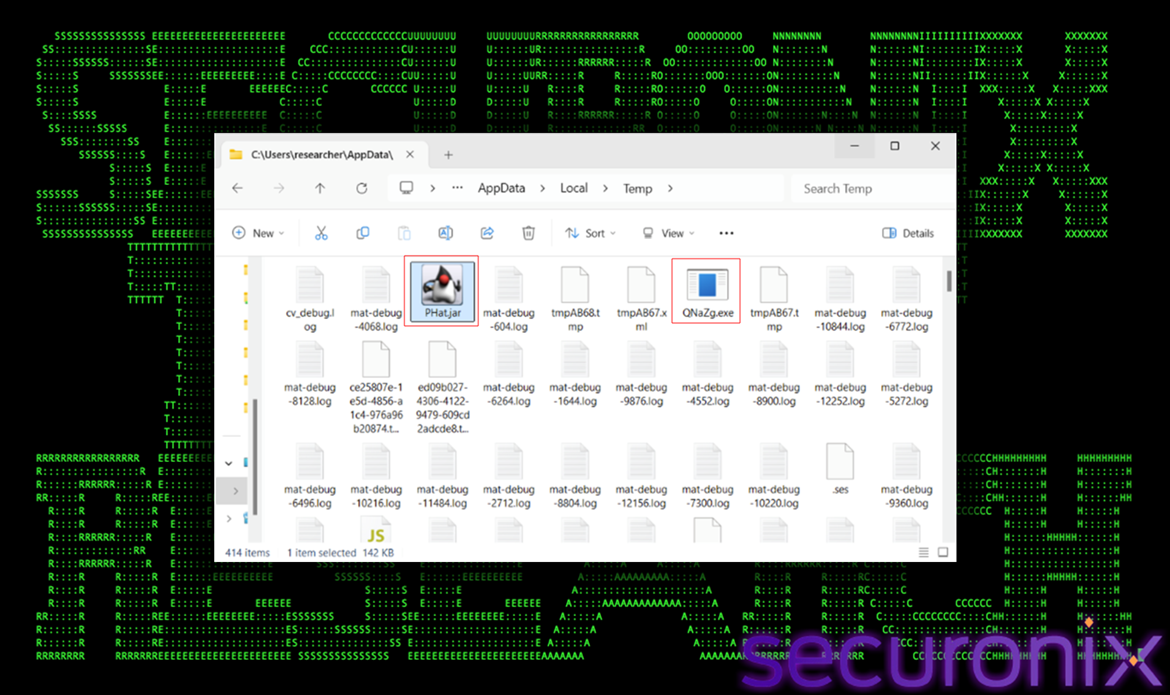
DarkTortilla (QNaZg.exe) is a 32-bit VB.NET executable that serves as the main loader for the final payload. Its high entropy suggests it is either packed or heavily obfuscated. It turns out to be heavily obfuscated (all classes and method names).
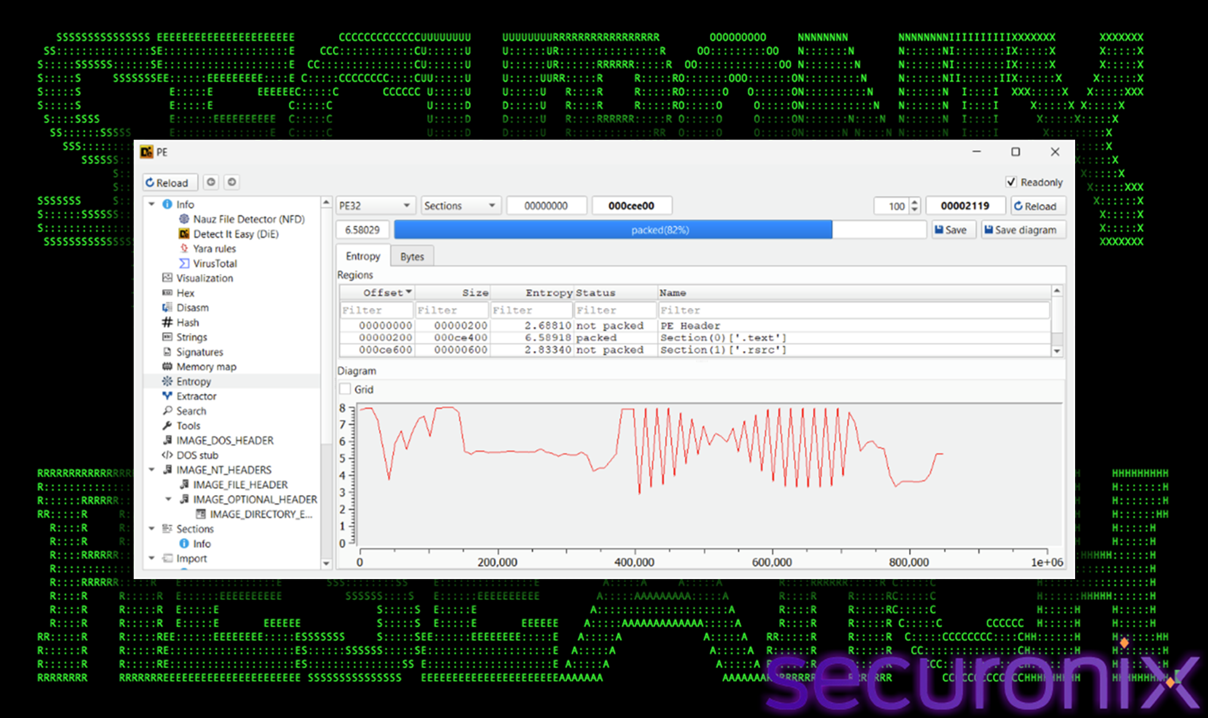
This loader’s primary responsibility is to decrypt and execute an embedded DLL stored within its own resources. This is accomplished through a multi-step process designed to evade analysis. The loader contains a large, hardcoded byte array, which is the encrypted final payload.
To decrypt it, the malware employs a custom, multi-step algorithm:
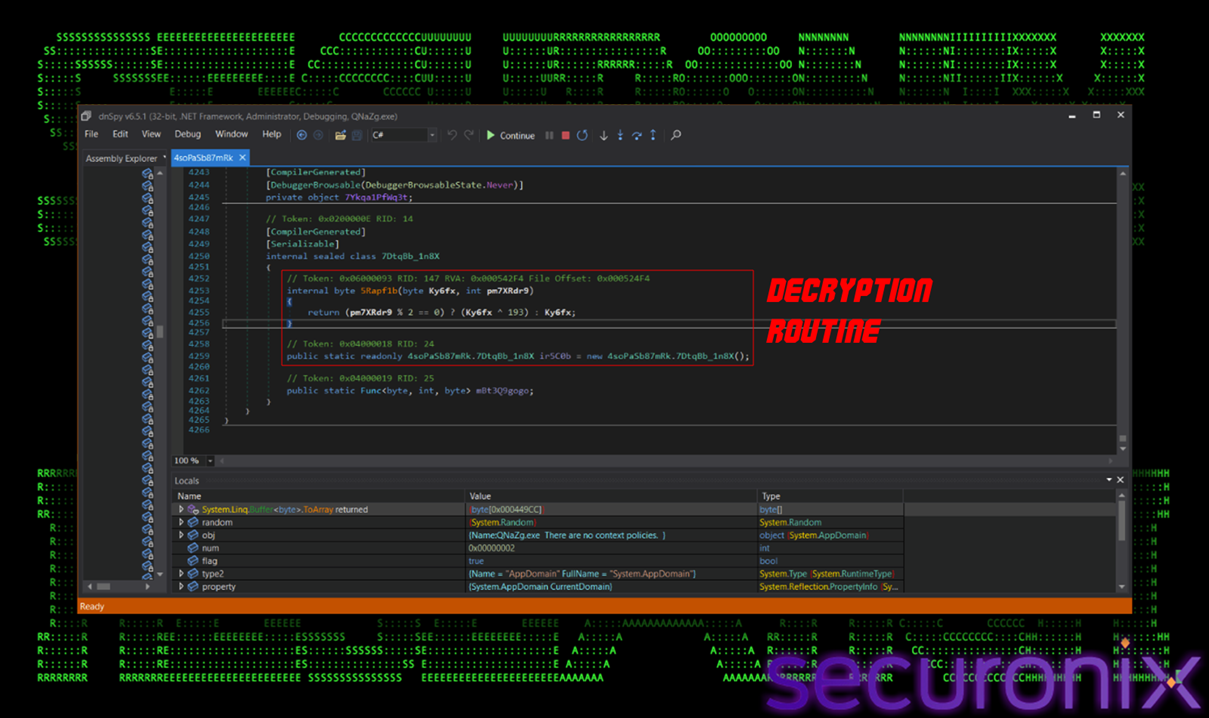
This straightforward routine effectively decrypts the byte array, revealing a valid PE file in memory, identifiable by the “MZ” header.
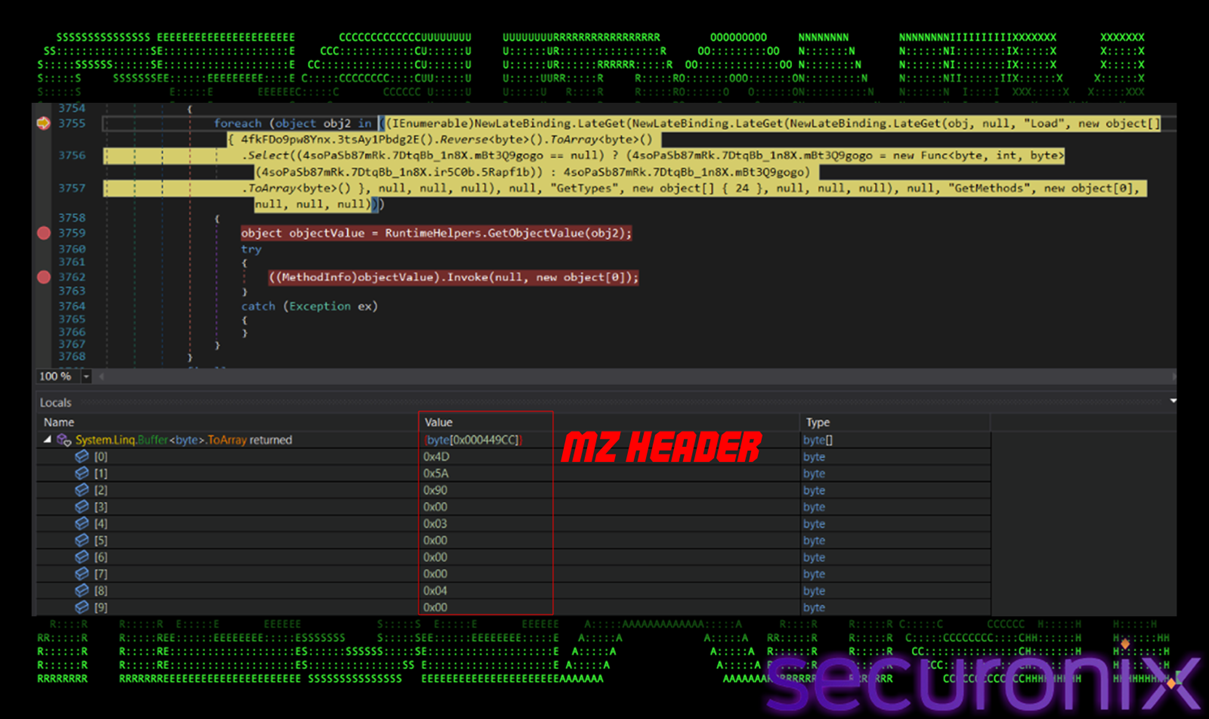
With the final payload assembly now fully decrypted in memory, the DARKTORTILLA loader orchestrates its execution in a manner designed for maximum stealth: reflective loading. This is a technique that completely bypasses the traditional Windows Portable Executable (PE) loader. Instead of writing the payload to disk as a physical file, the malware leverages the System.AppDomain.Load(byte[]) method. This instructs the .NET Common Language Runtime (CLR) to load the assembly directly from its byte array representation in the process’s virtual memory.
Think of an AppDomain as a lightweight container or sandbox within a single operating system process. A single OS process can host multiple AppDomains. Each AppDomain provides a level of isolation for code executed within it. When you launch a .NET application, it typically runs in a default AppDomain. All assemblies (like your EXE and its referenced DLLs) are loaded into this domain. Malware like DARKTORTILLA leverages AppDomain.Load(byte[]) because it allows them to load a malicious assembly (their final payload DLL) directly from a byte array (which they’ve decrypted in memory). It’s loaded purely from the process’s memory space. This is a classic “fileless” technique that helps evade signature-based antivirus solutions that primarily scan files on disk.
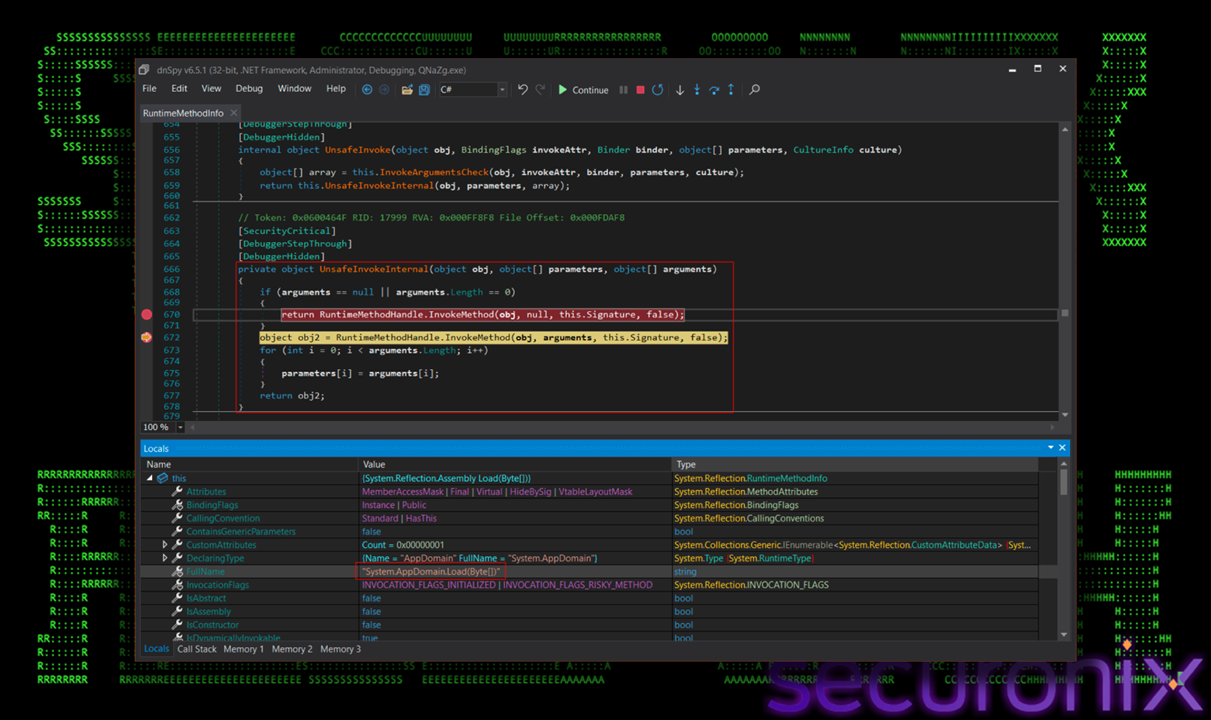
Once the payload is mapped into the application domain, the loader employs late binding and extensive .NET reflection to activate it. Rather than hardcoding direct calls to the payload’s methods at compile time, the loader specifically utilizes the Microsoft.VisualBasic.CompilerServices.NewLateBinding.LateGet() method. As seen in Figure 11, NewLateBinding.LateGet() is invoked by passing the reflectively loaded payload as an argument, allowing the loader to dynamically retrieve and execute the payload’s designated entry point (Segwenservice.Class1_PreStart.Method0()), which is the loaded module of the final payload. This late-binding mechanism is a sophisticated defence evasion tactic; it effectively obfuscates the true control flow and capabilities of the malware. By resolving and invoking method calls dynamically at runtime, it forces analysts into dynamic execution environments, adding layers of complexity to detection and reverse engineering efforts. This combination of reflective loading and dynamic invocation ensures the FormBook RAT achieves its malicious objectives with minimal footprint and maximum stealth.
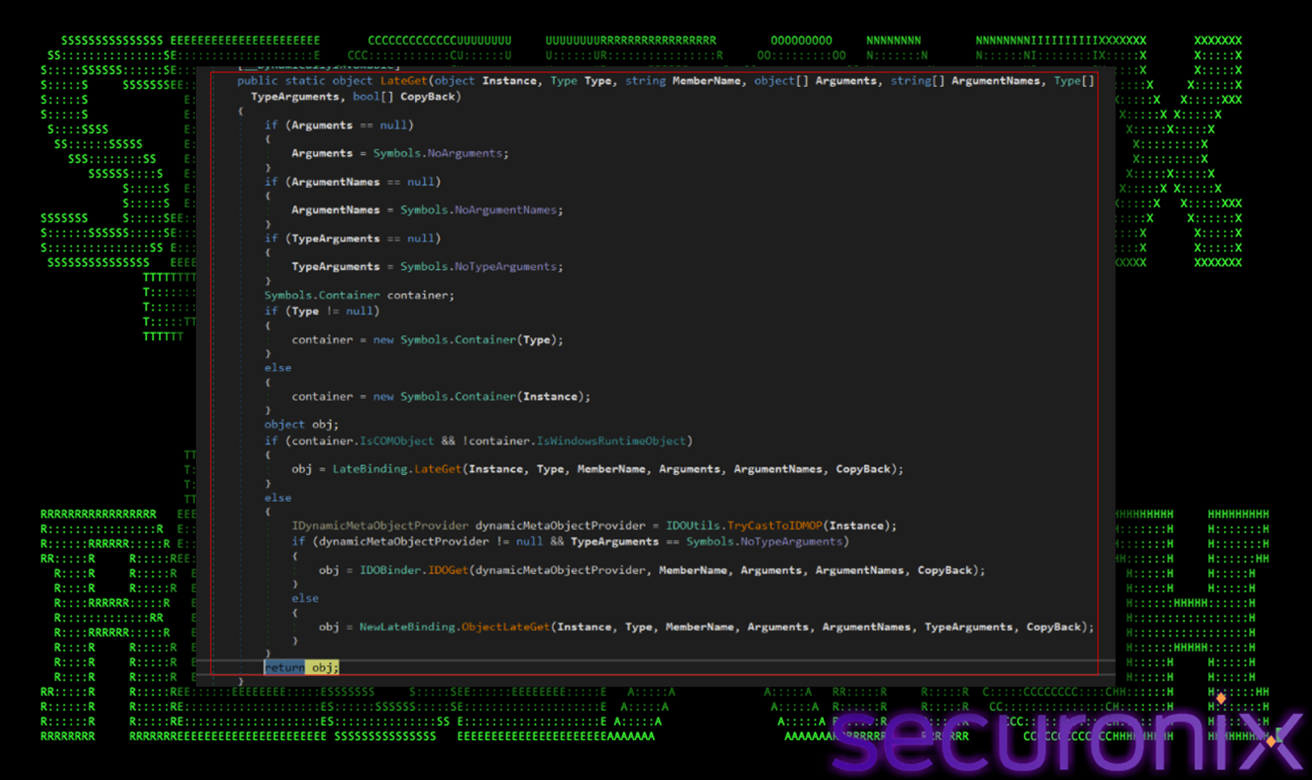
The in-memory assembly, Segwenservice.dll, is the final payload, which we identified as a variant of the FormBook RAT. It is highly modular, with different classes responsible for specific tasks such as installation (Class11_Install), persistence (Class12_Startup, Class16_Persist), anti-VM checks (Class8_AntiVMs), and decryption (Class5_Decrypter). The malware behavior is dictated by a configuration file stored as an encrypted resource. This resource is decrypted at runtime using AES, making it difficult to extract its configuration without dynamic analysis.
Its first action is to decrypt its own configuration, which is the encrypted resource.
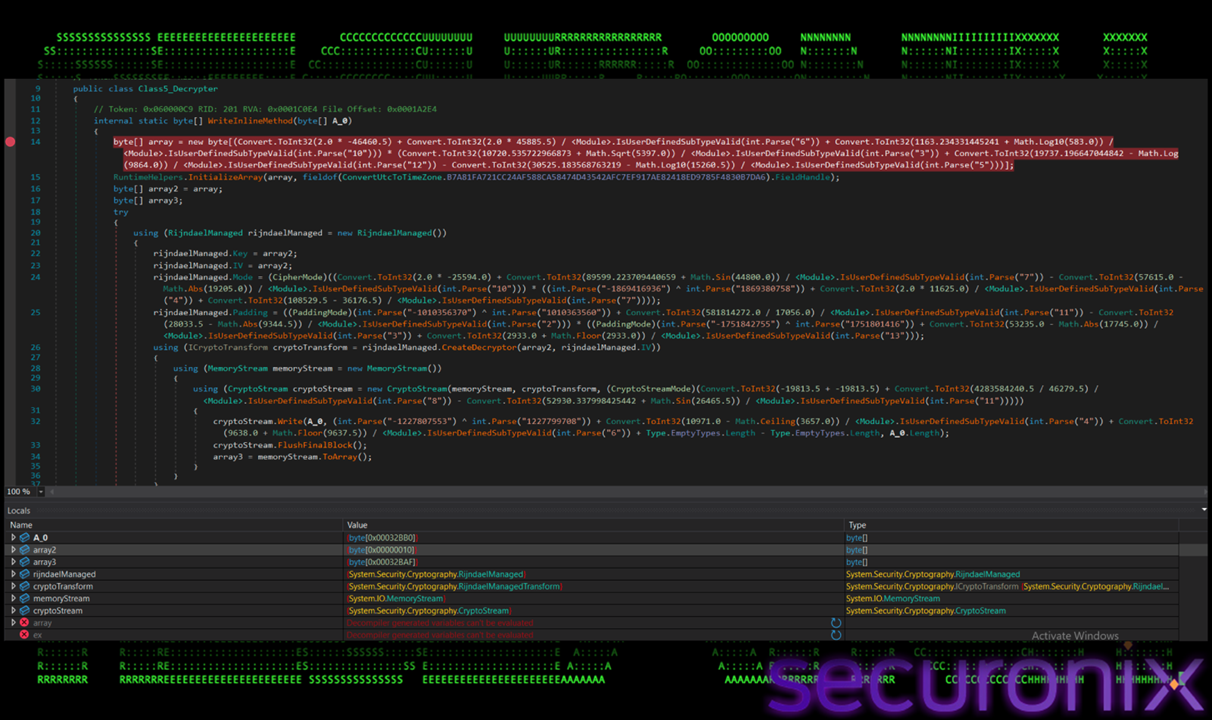 Figure 12 Decrypting configuration data containing persistence and behavior flag
The encryption routine that processes the encoded resource is a standard AES implementation. It decrypts via memory stream with derived key IV. The decrypted AES byte array creates a binary reader over a memory stream from data, using UTF-8 encoding, and creates a list as a container. The list turned out to be a config which contains objects/key-value pairs.
This configuration dictionary dictates the malware behavior, including persistence, installation paths, and anti-analysis features, which we will discuss in a moment.
Based on its configuration, the RAT establishes persistence:
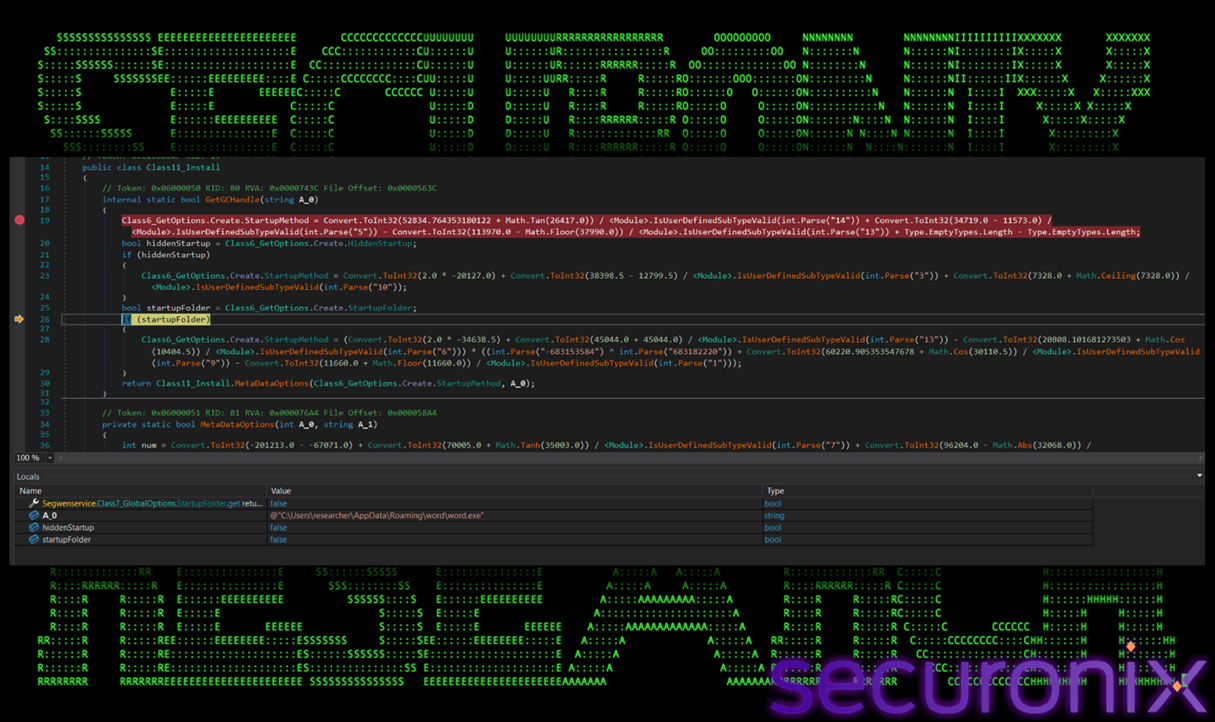
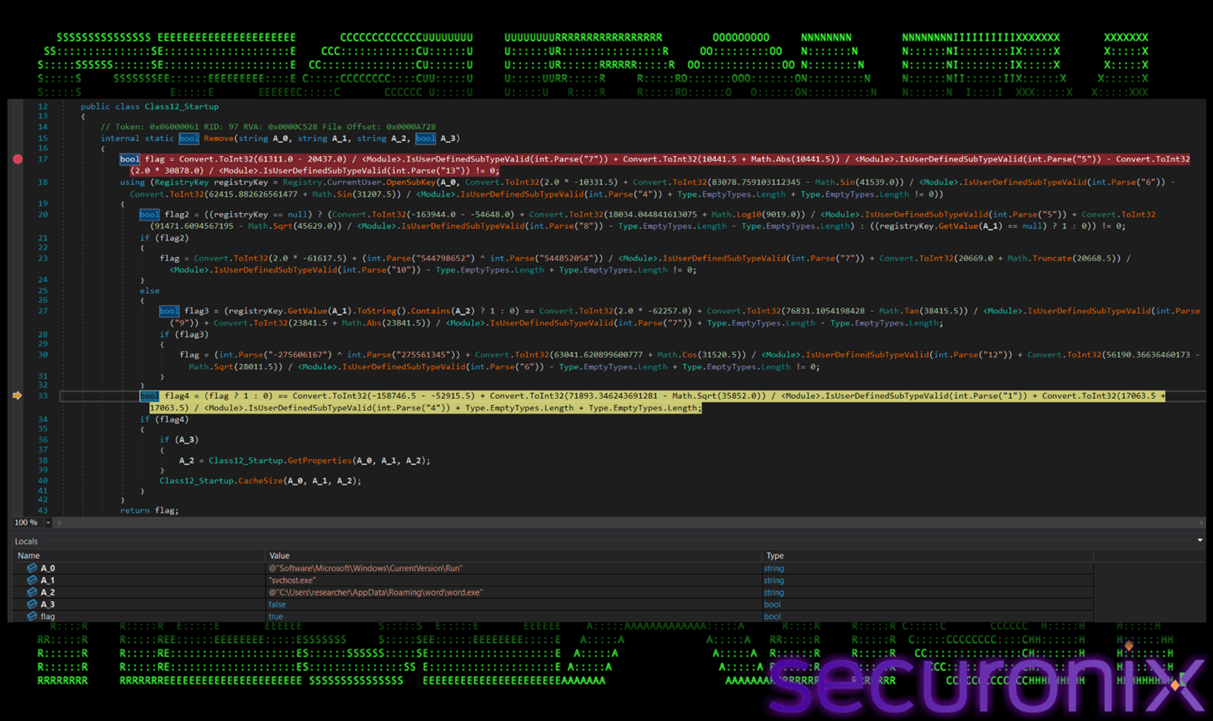
The malware anticipates being run in automated analysis environments and employs a classic technique to defeat them. It constructs and executes a cmd.exe command that includes two ping 127.0.0.1 -n 39 > nul commands.
cmd” /c ping 127.0.0.1 –n 39 > nul && copy “C:\Users\RESEARCH~1\AppData\Local\Temp\QNaZg.exe” “C:\Users\researcher\AppData\Roaming\word\word.exe” && ping 127.0.0.1 –n 39 > nul && “C:\Users\researcher\AppData\Roaming\word\word.exe”
Each ping command introduces a delay of approximately 38 seconds. Many automated sandboxes have a limited execution timeout; they terminate analysis if a sample appears to be inactive for too long. By introducing these significant delays, the malware can out-wait the sandbox, preventing its full behavior from being observed and analyzed.
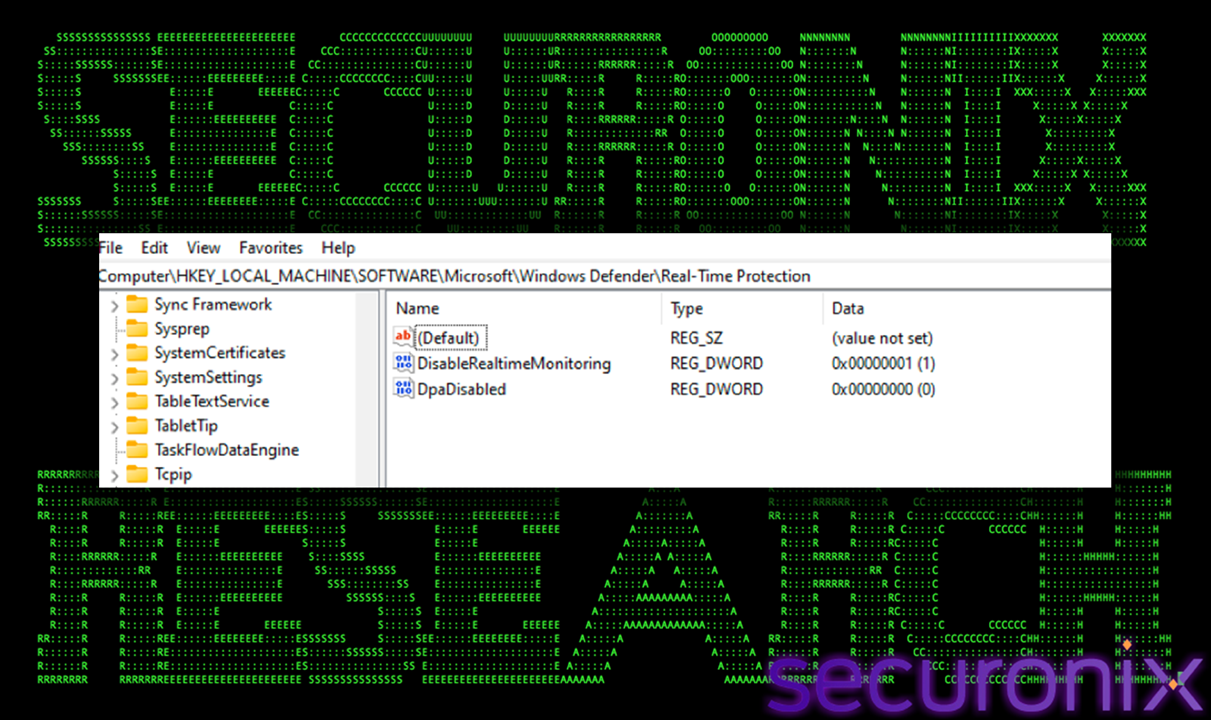
Our analysis observed the RAT attempting to modify registry keys associated with Windows Defender to disable its real-time monitoring. This reduces the likelihood of detection by built-in endpoint protection.
A primary function of the FormBook RAT in this campaign is pervasive keylogging. The malware implements a low-level keyboard hook, likely using Windows API, to intercept keystrokes across all applications. This allows it to capture every single key pressed by the user, regardless of the active window.
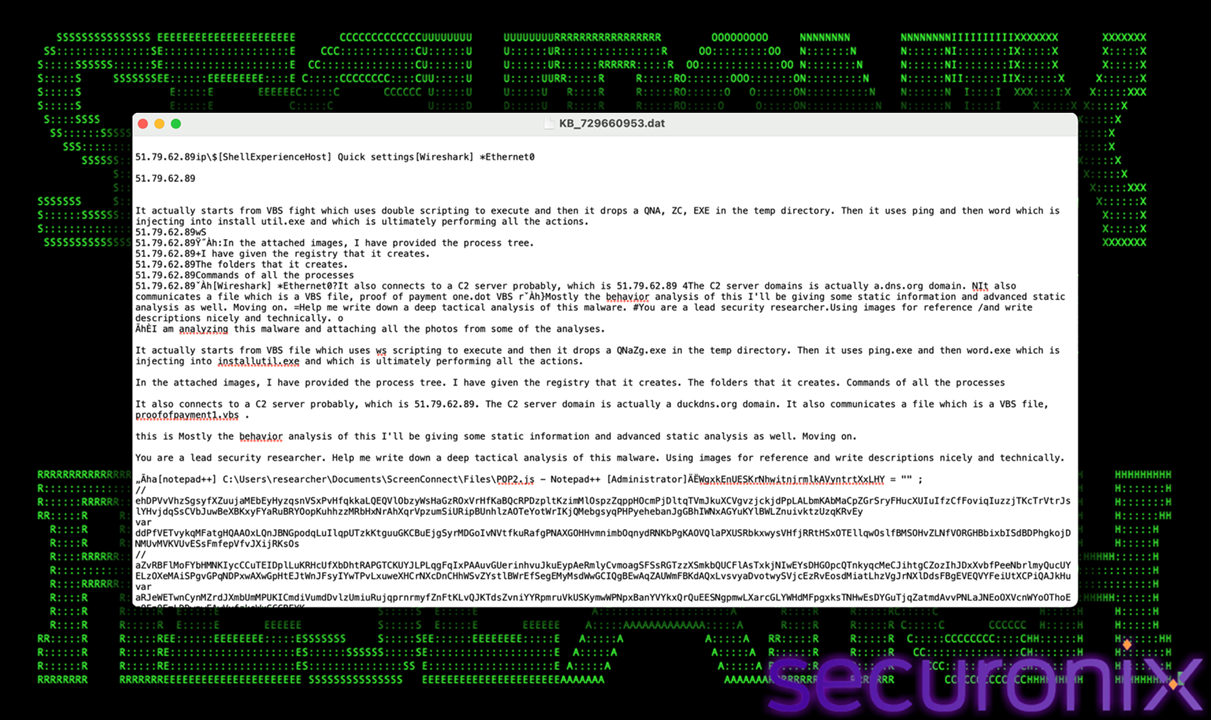
The captured keystrokes are not immediately exfiltrated but are buffered and written to local files for later transmission. During our analysis, we observed the RAT creating files with names matching the pattern KB_*.dat (e.g., KB_2025-10-07.dat) within its persistence directory (%APPDATA%\Roaming\). This batching approach minimizes network traffic, making detection harder, and ensures data is not lost if C2 connectivity is temporarily unavailable.
A typical keylogger log file from FormBook follows a structured format, enabling easy parsing by the attacker. Special keys (like Shift, Ctrl, Alt, Enter, Backspace) are often logged with specific tags or bracketed descriptions to distinguish them from standard character input.
The FormBook RAT, once established, initiates communication with its command and control (C2) infrastructure to receive commands and exfiltrate collected data. During our analysis, we observed the RAT attempting to connect to a duckdns.org dynamic DNS domain. Dynamic DNS services are a common tactic for malware operators as they allow the C2 IP address to change frequently while the domain name remains constant, making it harder for security teams to block.
Specifically, network captures revealed outgoing TCP connections to 51.79.62.89, which resolves to the duckdns.org domain specified in the malware’s configuration. Specifically, we observe multiple attempts to establish a connection on destination port 57652.
The DARKTORTILLA campaign demonstrates a sophisticated, multi-layered approach to malware delivery. The threat actors combine social engineering, heavy script obfuscation, and advanced .NET evasion techniques to successfully compromise targets. The use of a custom decryption routine followed by reflective loading allows the final payload to be executed in a fileless manner, significantly complicating detection and forensic analysis. By masquerading its files and registry keys with legitimate-sounding names, the malware attempts to blend in with normal system activity to maintain long-term persistence.
This campaign appears to primarily target organizations in the National Social Security Sector. The social engineering lures are tailored to this specific vertical. Currently, there is not enough information to definitively attribute this campaign to a specific country or threat group.
| Tactics | Techniques |
| Initial Access | T1566.002: Spearphishing Link |
| Execution | T1059.007: JavaScript
T1059.003: Windows Command Shell |
| Persistence | T1547.001: Registry Run Keys / Startup Folder |
| Defense Evasion | T1021.007: Remote Services: Cloud Services |
| Execution | T1027: Obfuscated Files or Information
T1140: Deobfuscate/Decode Files or Information T1620: Reflective Code Loading T1036.005: Match Legitimate Name or Location T1562.001: Disable or Modify Tools (Windows Defender) T1497.003: Time Based Evasion (Ping Delay) |
| Credential Access | T1056.001: Input Capture: Keylogging |
| Command and Control | T1571: Non-Standard Port
T1568.002: Dynamic Resolution: DGA (duckdns.org) |
| C2 Address |
| 51.79.62[.]89
Associated duckdns[.]org domain |
| File Name | SHA256/MD5 |
| part1 | eba24c92b51d8fb24697952135a7d7bdf4a7511ab94be850fda1fc512675f6ad |
| 81__POP1.BZ2 | 67c00ede3964cb78c64575b65b301f808958311b99779b71597f6282b1a4e9f2 |
| PROOF OF PAYMENT1.vbs | 4ebef5d23ce0fe6c2940ba7a2f6bfc512b1ec5f01458284d2ce0e71ee8787b81 |
| POP2.js | d4c097412ab05630e6cb97b544dc7c0a0e238a4bdf5c79da679c7545face2dad |
| svchost.js | aab2b9cd5a946739bbb41ae2234adaf34ba9761445315c2b5ba270a7b931a2e2 |
| adobe.js | 56d627adc6e6e8967ade649f707134a501cfea5ec66322514536ee8ace3053fb |
| PHat.jar | 7c9128d197301fcd89d6fd1b0077d2a35f2a98c6219386900d7e8c89e4799a86 |
| QNaZg.exe | a428d2602ad3bad2d590ed68b17a308cff8ab7ff61da2a51acb83fd202b5358d |
| Segwenservice.dll [embedded payload] | 8bcfc6dd444f3f577f026d465d826194db45cd205b24f77b9080debba96e3b7b |